 Discord



'/%3e%3c/g%3e%3cdefs%3e%3clinearGradient%20id='paint0_linear_91_7909'%20x1='2.80579'%20y1='2.93848'%20x2='14.3838'%20y2='4.55824'%20gradientUnits='userSpaceOnUse'%3e%3cstop%20stop-color='%231198B9'/%3e%3cstop%20offset='0.0001'%20stop-color='%230F9DB8'/%3e%3cstop%20offset='1'%20stop-color='%232468C0'/%3e%3c/linearGradient%3e%3c/defs%3e%3c/svg%3e)
'/%3e%3c/g%3e%3cdefs%3e%3clinearGradient%20id='paint0_linear_91_7889'%20x1='4.20874'%20y1='4.40771'%20x2='21.5757'%20y2='6.83736'%20gradientUnits='userSpaceOnUse'%3e%3cstop%20stop-color='%231198B9'/%3e%3cstop%20offset='0.0001'%20stop-color='%230F9DB8'/%3e%3cstop%20offset='1'%20stop-color='%232468C0'/%3e%3c/linearGradient%3e%3c/defs%3e%3c/svg%3e)



















For startups, choosing the right cloud hosting solution is crucial. It can significantly impact your ability to scale, manage costs, and deliver a great user experience. This article explores affordable cloud hosting options that can support rapid growth, with a special mention of CloudBlast, an emerging player in the field.
Why Cloud Hosting is Ideal for Startups
1. Scalability: Easily scale resources up or down based on demand.
2. Cost-Effectiveness: Pay only for what you use, avoiding large upfront investments.
3. Flexibility: Choose from a wide range of services and easily switch between them.
4. Reliability: Benefit from enterprise-grade infrastructure and support.
5. Focus: Spend less time on infrastructure management and more on your core business.
Affordable Cloud Hosting Solutions
1. AWS (Amazon Web Services)
- Pros: Comprehensive service offerings, global infrastructure, extensive documentation.
- Cons: Can be complex for beginners, costs can escalate if not managed carefully.
- Best for: Startups looking for a wide range of services and planning for significant scale.
2. Google Cloud Platform (GCP)
- Pros: Strong in big data and machine learning, user-friendly interface.
- Cons: Fewer services compared to AWS, less extensive global infrastructure.
- Best for: Startups focused on data analytics or AI/ML applications.
3. Microsoft Azure
- Pros: Strong integration with Microsoft tools, hybrid cloud options.
- Cons: Can be more expensive for Linux VMs, steeper learning curve for non-Windows users.
- Best for: Startups already using Microsoft technologies or requiring hybrid solutions.
4. DigitalOcean
- Pros: Simple pricing, user-friendly, great for developers.
- Cons: Limited service offerings compared to larger providers.
- Best for: Developer-centric startups with straightforward hosting needs.
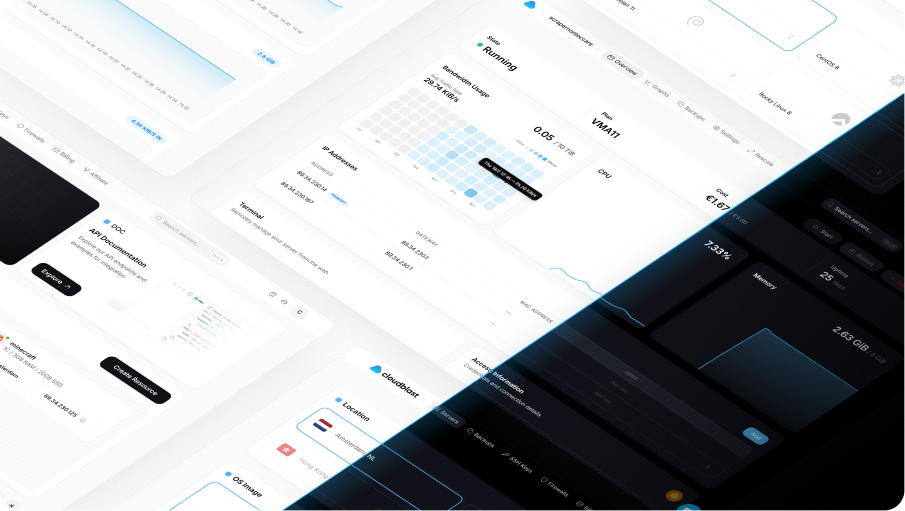
5. CloudBlast
CloudBlast is an emerging player in the cloud hosting market, offering solutions tailored for startups and small businesses:
Strategies for Optimizing Cloud Costs
1. Right-sizing: Choose the appropriate instance sizes for your needs.
2. Auto-scaling: Automatically adjust resources based on demand.
3. Reserved Instances: For predictable workloads, consider committing to longer-term use for discounts.
4. Spot Instances: For non-critical, interruptible workloads, use spot instances for significant savings.
5. Monitoring and Optimization: Regularly review your usage and optimize accordingly.
Considerations for Startups
1. Growth Projections: Choose a provider that can accommodate your expected growth.
2. Technical Expertise: Consider the learning curve and whether you have the necessary skills in-house.
3. Service Requirements: Ensure the provider offers all the services you need (e.g., databases, container orchestration).
4. Data Regulations: Be aware of data residency requirements in your industry.
5. Support: Consider the level of support you might need, especially during critical growth phases.
Case Study: StreamLine
StreamLine, a video streaming startup, initially chose CloudBlast for its affordable pricing and startup-friendly features. As they grew, they found CloudBlast's personalized support invaluable in optimizing their infrastructure. The easy-to-use interface allowed them to quickly adjust resources during viral moments, ensuring smooth user experiences without breaking the bank.
Conclusion
Cloud hosting offers startups the flexibility and scalability needed for rapid growth without requiring large upfront investments. While established players like AWS, GCP, and Azure offer comprehensive solutions, newer providers like CloudBlast are emerging with startup-focused offerings. The key is to choose a solution that balances your current needs, budget constraints, and future growth projections. Remember, the right cloud hosting solution can be a powerful enabler for your startup's success.


